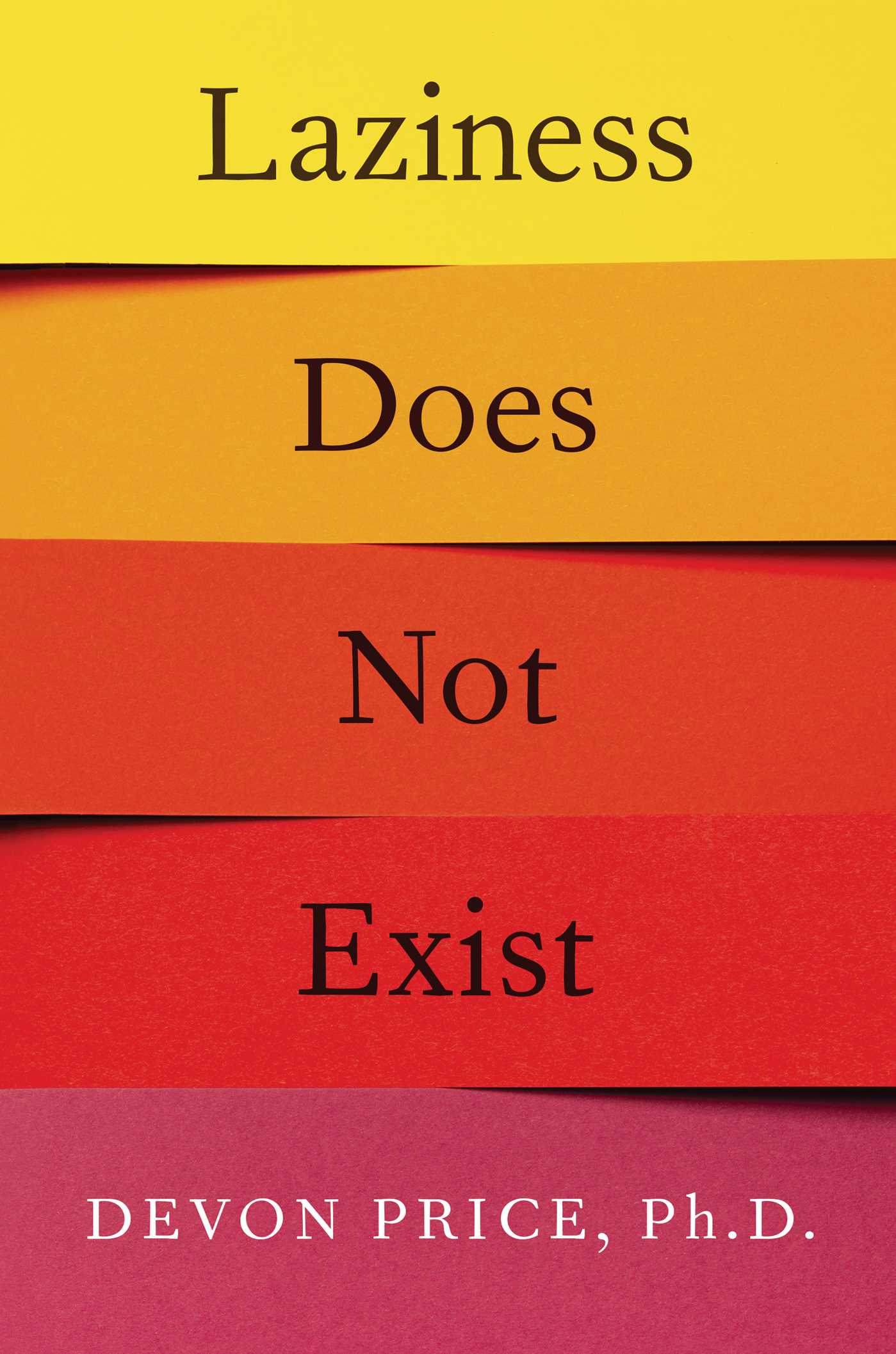

Zoyander Street reviewed Laziness Does Not Exist by DeVon Price
Compassion in theory and practice
4 stars
I could feel this book having an impact on me over the weeks as I slowly read it a chapter at a time. I started responding to my own desires and patterns differently: if I found myself scrolling Tiktok for a long time, I didn't just think "I shouldn't be doing this", but asked myself if I truly had anything else I needed to be doing, if the activity was hurting me at this moment, and if I might benefit from some time to let my mind rest and listen to other people's stories for a while. Conversely, in moments when the chronic fatigue eases and I have a bit of mental energy, I often immediately start thinking up interesting or productive things I could be doing - this book helped me to recognise the ways that this habit is harming me, and question whether any of these activities are …
I could feel this book having an impact on me over the weeks as I slowly read it a chapter at a time. I started responding to my own desires and patterns differently: if I found myself scrolling Tiktok for a long time, I didn't just think "I shouldn't be doing this", but asked myself if I truly had anything else I needed to be doing, if the activity was hurting me at this moment, and if I might benefit from some time to let my mind rest and listen to other people's stories for a while. Conversely, in moments when the chronic fatigue eases and I have a bit of mental energy, I often immediately start thinking up interesting or productive things I could be doing - this book helped me to recognise the ways that this habit is harming me, and question whether any of these activities are contributing to the restful and restorative self-care that I really need right now. It's actually a similar impact to reading Pema Chodron, and that's no accident: Laziness Does Not Exist is primarily about practising compassion for others and for oneself, and changing deeply ingrained thought patterns that cause harm.
There were moments when I wanted a more rigorous critical engagement with the subject matter. For example, the brief passages that engage in media criticism don't seem to reflect an understanding of narrative technique (Steven Universe is not about individual heroism!). When crossing the disciplinary boundary from Price's field of social psychology into mental health or clinical psychiatry, I think complexities show up that aren't accounted for. A key example is the subject of motivation: Price assures us that what looks superficially like a lack of motivation is often a struggle with depression, and although this is true, it's also true that amotivation, avolition, or apathy can be a primary symptom in some health conditions that cannot be cured, not a secondary effect that will be eliminated once the core issue is resolved. It can be misleading or even invalidating if your version of compassion is to say to someone "you're not really demotivated, you're just depressed" - it's like saying "you're not really sick, you're just anxious".
This matters, because like any other disability justice issue, it comes down to agency and autonomy - if a health condition curtails your will before it even arises, how can you enact free will? In such a scenario, the outward appearance of laziness is neither a personal failing to be handled through discipline, nor a response to unjust circumstances to be treated with compassion, but a theft of one's personal agency that should elicit righteous rage. I do think the answer to this is contained in the pages of the book: we need to shift our view of agency to a more collective mode, because none of us can truly do this alone.
On the whole, Laziness Does Not Exist is a corrective that aims to guide us away from the ethos that leads to burnout and abusive workplaces. I'm left with the somewhat haunting question: if I was able to separate my personal motivations from the systems that abuse us, would I be able to recognise when I've done "enough"?