
review
4 stars
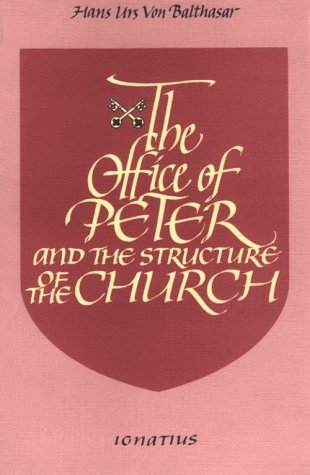
This book was pretty alright. I read it primarily because I have a friend of mine who is considering joining the Church, but is turned off by the idea of an official structure. As such I was going to recommend this book, but figured I should read it first, and it went to the front of my library book queue, usually a book waits 2-3 years from when I hear of it to when it gets read. Hierarchy has never been a problem for me. I've always appreciated formalized organizations and structures, leaders, even rulers. I guess that's why I'm not an anarchist. [return][return]Anyway, this book is focused primarily at those already in the Church, and the growing (at least in the 1980s) anti-papal movement among st Catholics. Very heavy with the Pope and not so much Bishops and Cardinals and the like. Its certainly not an evangelization tool; its …
This book was pretty alright. I read it primarily because I have a friend of mine who is considering joining the Church, but is turned off by the idea of an official structure. As such I was going to recommend this book, but figured I should read it first, and it went to the front of my library book queue, usually a book waits 2-3 years from when I hear of it to when it gets read. Hierarchy has never been a problem for me. I've always appreciated formalized organizations and structures, leaders, even rulers. I guess that's why I'm not an anarchist. [return][return]Anyway, this book is focused primarily at those already in the Church, and the growing (at least in the 1980s) anti-papal movement among st Catholics. Very heavy with the Pope and not so much Bishops and Cardinals and the like. Its certainly not an evangelization tool; its very heavy in deep theology. I don't know if I'd recommend it to my friend or not I suppose I'll eave this here and let him make his own decision. [return][return]The first half of the book is very dry. Fr. Balthasar is a Jesuit and his commitment his orders peculiarities are shown. It goes through and highlights many of the problems that the papacy has had in the past, and Blathasar argues that they were needed to get where we are, even if not good in and of themselves. [return][return]It gets more interesting in the second half or final third of the book. Blathasar brings up time and again how the strength of the power of the organized structural Church allowed her to stand up against the State, when other churches and religions faltered with the rulers. That only through such structure was it possible to have maintained largely unchanged for 2,000 years. [return][return]There were lots and lots of foot notes and references. Since this was a library book I did not have time to check any of them, or even ready nearly any, due dates you know. If it owned the book I would have taken that time and likely would have enjoyed it more. Then again I didn't enjoy it enough to purchase my own copy at this time.