An essential survey of the covenantal fediverse
5 stars
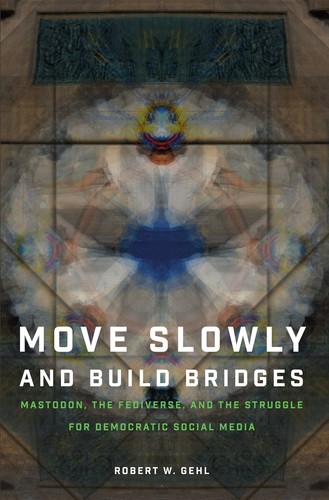
This book isn't quite the introduction I'd like to give everyone who doesn't know what the Fediverse is, though it probably includes enough information to onboard a total beginner. Instead, it is a sociologically rigorous examination of the Fediverse's history and culture. It's clear that while the book was being written, its subject was rapidly changing in unpredictable ways, but the author manages to stay grounded while also keeping up.
I've been participating in the open social web for several years now, and started to invest more energy into it a couple of years ago when recovering from my first bout of long COVID. This book has deeply enriched my understanding of the context, controversies, and potential of federated social media and, to some extent, its rivals - not only corporate social media, but also the indie web movement. I've come away from it more inspired and committed than …
This book isn't quite the introduction I'd like to give everyone who doesn't know what the Fediverse is, though it probably includes enough information to onboard a total beginner. Instead, it is a sociologically rigorous examination of the Fediverse's history and culture. It's clear that while the book was being written, its subject was rapidly changing in unpredictable ways, but the author manages to stay grounded while also keeping up.
I've been participating in the open social web for several years now, and started to invest more energy into it a couple of years ago when recovering from my first bout of long COVID. This book has deeply enriched my understanding of the context, controversies, and potential of federated social media and, to some extent, its rivals - not only corporate social media, but also the indie web movement. I've come away from it more inspired and committed than before, and ready to try out new things in the Fediverse even though the risk of failure is high.
I was particularly impressed by the chapter on how the ActivityPub standard was established, which manages to capture the heartache and human conflict behind these events even though it wouldn't have been possible to anonymise the interviewees. Participants put a lot of trust into the author, and I am very grateful for that as a reader, because without this part I wouldn't really understand the sacrifices people have made or what was at stake in the establishment of the protocol. Being able to discuss conflict is part of what makes the open social web less alienating, and more social, than corporate social media, which treats conflict as a pyre for disposable micro-celebrities.