



Jim Fulner wants to read Roadside Americans by Jack Reid
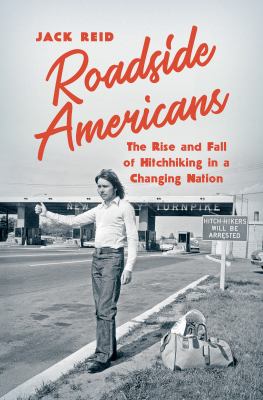
Roadside Americans by Jack Reid
Between the Great Depression and the mid-1970s, hitchhikers were a common sight for motorists, as American service members, students, and …

I'm think I got this bookwyrm thing right. I ended up more-or-less manually importing ~1,000 books. I'm sure there is supposed to be any easier way.
I previously had accounts @fu@bookwyrm.social @fu@millefeuilles.cloud and @fu@bookwyrm.world, I think this one will be here to stay but I might need to find a less expensive hosting solution.
You can find my Pleroma account @hey@r.jimfulner.com
This link opens in a pop-up window
72% complete! Jim Fulner has read 54 of 75 books.
Between the Great Depression and the mid-1970s, hitchhikers were a common sight for motorists, as American service members, students, and …

Half a decade after the Dominion War and more than a year after the rise and fall of Praetor Shinzon, …
Half a decade after the Dominion War and more than a year after the rise and fall of Praetor Shinzon, …
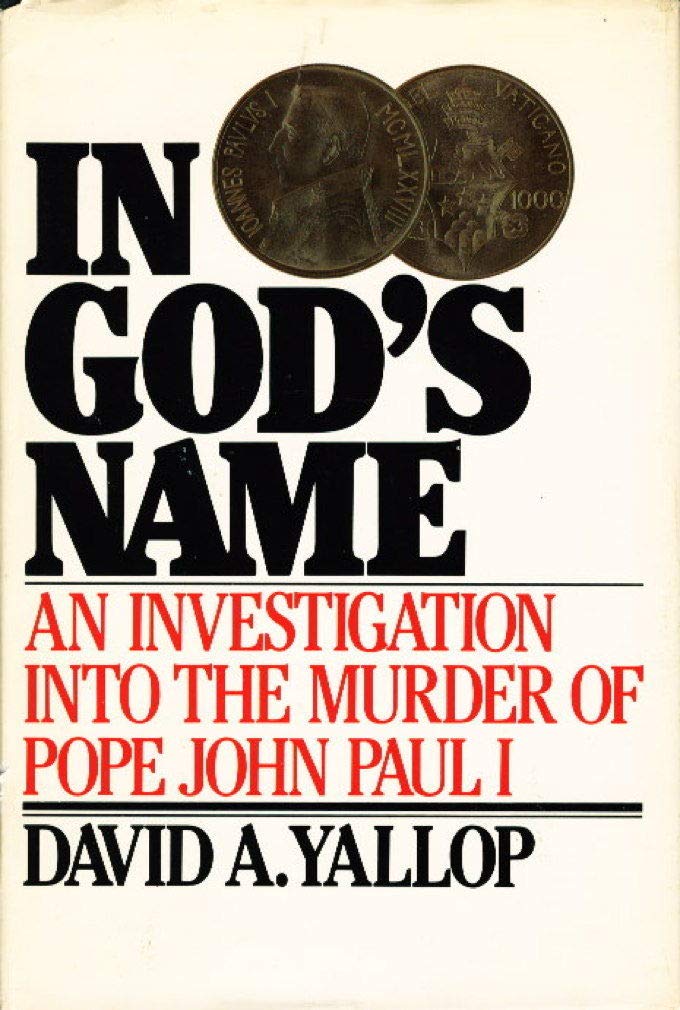
Contends that the death of Pope John Paul I was not due to natural causes. Presents a portrait of his …
@Tellington@millefeuilles.cloud someone at Penguicon told me there is an old recording floating around of Tolkein himself reading The Hobbit. That would be pretty rad.
An empowering, timely guide to raising anti-racist, compassionate, and socially conscious children, from a diversity …
We are White so we do not have to worry about the police hurting us.
— Social Justice Parenting by Traci Baxley (33%)
I do not recall the last time I read a more untrue statement.
@Tellington@millefeuilles.cloud the recorded books edition claims to be the only unabridged audio edition, nice to know that's no longer true.
@Tellington@millefeuilles.cloud the recorded books edition claims to be the only unabridged audio edition, nice to know that's no longer true.
@Tellington@millefeuilles.cloud is that abridged?

Is defense possible without weapons? Or does every state have to participate in the increasingly …
The German generals, by and large were handicapped by the relatively Humane tradition in which they have been brought up. They found it difficult to be as ruthless as military logic and military theory tended to demand.
— War Without Weapons by Anders Boserup, Andrew Mack (Page 52)
This does not match what I was taught in history class
Is defense possible without weapons? Or does every state have to participate in the increasingly …
In fact, the totalitarian system is far weaker than it appears to be, because in the long run it cannot secure for itself the loyalty and the cooperation of the population.
— War Without Weapons by Anders Boserup, Andrew Mack (Page 49)

When Father mysteriously goes away, the children and their mother leave their happy life in London to go and live …

Seven distinguished Catholic theologians address the topic "Women and the Shaping of Catholicism" from the …
Put in an Interlibrary Loan request.
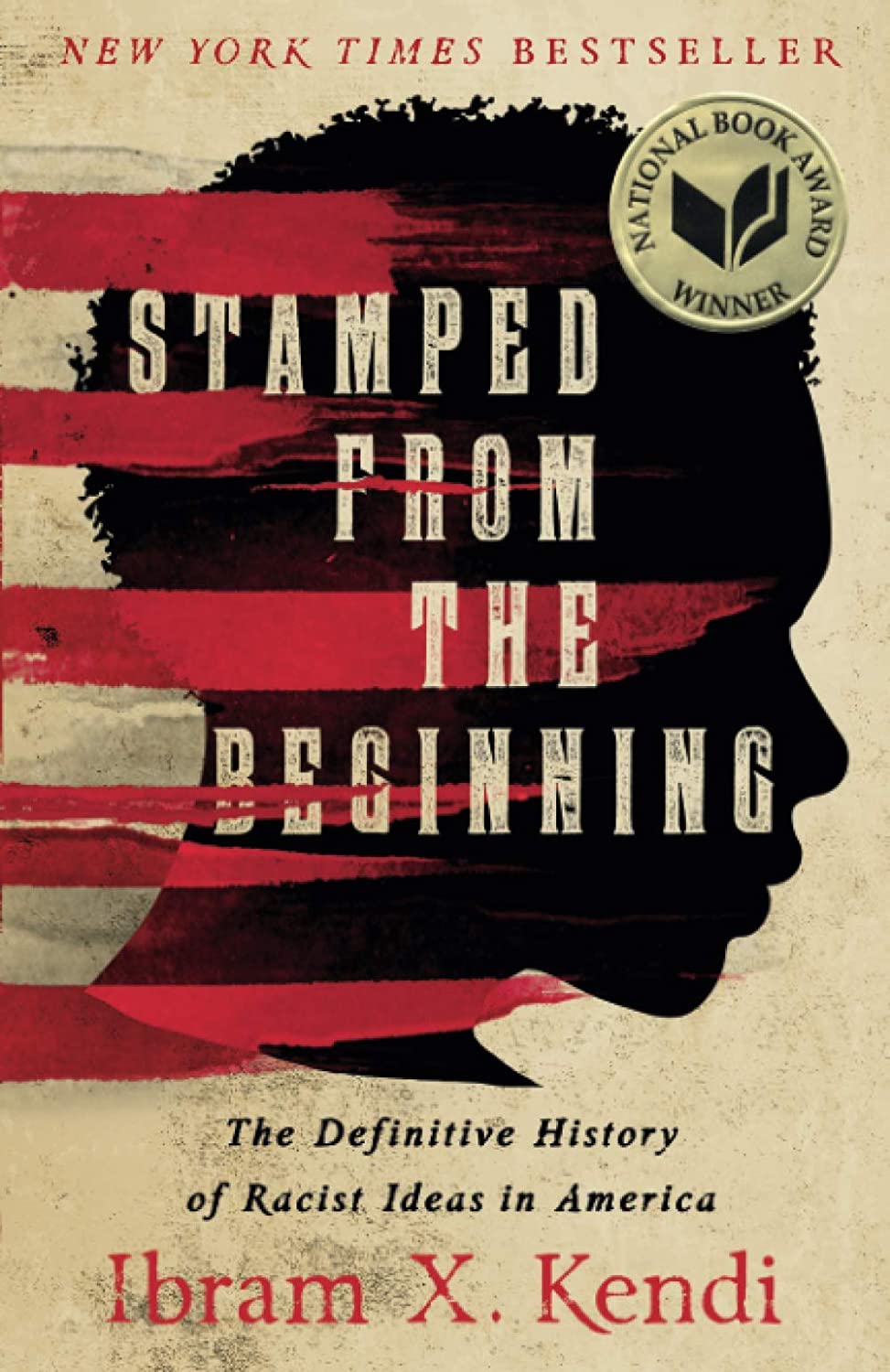
Stamped from the Beginning: The Definitive History of Racist Ideas in America is a 2016 …
First book by the author of How to be an Antiracist in which he claims to have documented the entire history of racism starting with its beginning, policies of Portugal in the 15th century.
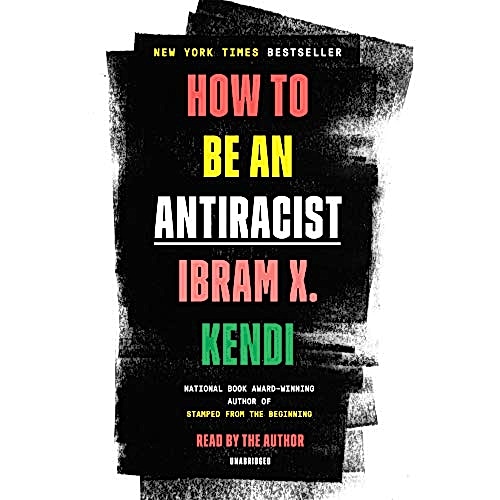
The only way to undo racism is to consistently identify and describe it—and then dismantle …
How to be an Antiracist was actually much better than I expected, and I expected it to be good. A lot to think about regarding the racist power comes from racist policies that leads to racist ideals, rather than the common belief that racist ideas lead to racist policies. It really got to me that the antiracists only judge individuals, never groups like races, while still clearly identifying racist policies that negatively affect certain groups of individuals. Kendi digs into his own struggles and finding that he himself has been an anti-Black racist and an anti-White racist screaming deeply into the void of "Black people can't be racist." Kendi is incredibly deliberate with his words, something I certainly understand and his reasonings for doing so, but by the end of the book it gets really old because people don't talk like that. In particular I found it patronizing at best …
How to be an Antiracist was actually much better than I expected, and I expected it to be good. A lot to think about regarding the racist power comes from racist policies that leads to racist ideals, rather than the common belief that racist ideas lead to racist policies. It really got to me that the antiracists only judge individuals, never groups like races, while still clearly identifying racist policies that negatively affect certain groups of individuals. Kendi digs into his own struggles and finding that he himself has been an anti-Black racist and an anti-White racist screaming deeply into the void of "Black people can't be racist." Kendi is incredibly deliberate with his words, something I certainly understand and his reasonings for doing so, but by the end of the book it gets really old because people don't talk like that. In particular I found it patronizing at best using the word "latinx" to represent a gender-natural representative of people with Hispanic heritage. I don't know if non-Hispanics just that little knowledge of the Spanish language in that every noun have has a gender, a chair is female, a pencil is male, etc., or if anglophones think they know better than Hispanics do in trying to change that. So, with that I cannot give 5 stars, but the book is very good otherwise and I recommend it to everyone. Your right-wing friends might not be able to make it through, but they should.
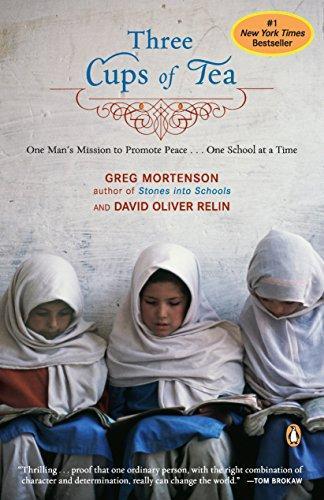
The astonishing, uplifting story of a real-life Indiana Jones and his humanitarian campaign to use education to combat terrorism in …